Expert Advice on Memory Care Services for Seniors
Individualized Older Adult Care Services: Your Partner in Aging Gracefully
Tailored elderly support options function as a vital part in supporting seniors as they advance in age. These programs focus on individual choices and requirements, providing critical help that boosts both independence and health. With choices ranging from social support to specialized health care, families often face challenges in selecting the appropriate method. Understanding the different elements of personalized care can lead to substantial improvements in overall wellness for older adults. What factors should one consider when selecting a service provider?
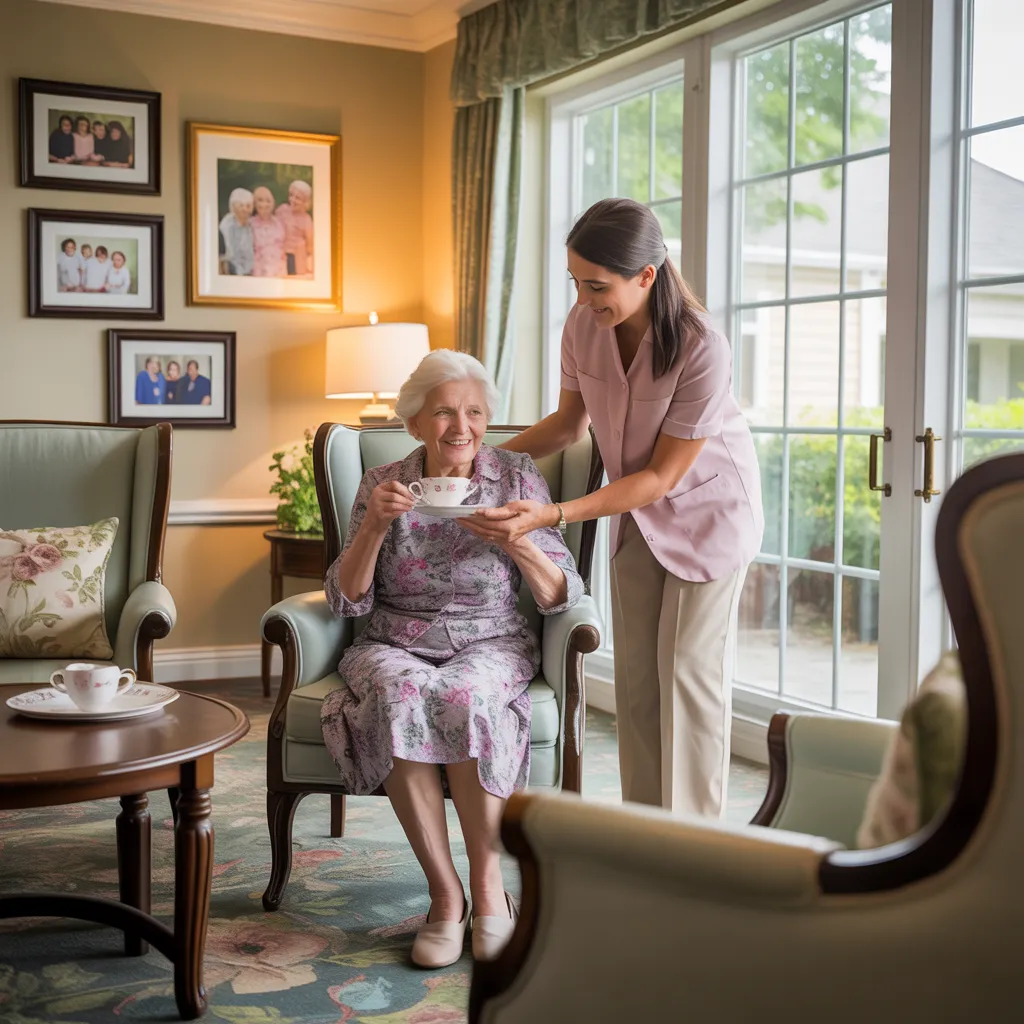
Understanding Personalized Elderly Support Solutions
Personalized care can involve support with everyday tasks, wellness monitoring, and companionship, all developed to support independence and dignity. By giving attention to the person, care workers can encourage a sense of belonging and purpose, which is essential for mental well-being. Moreover, these programs often adapt as time progresses, responding to the variable requirements of elderly individuals. This adaptability makes possible ongoing assessment and adjustment, confirming that support remains suitable and effective. Ultimately, personalized senior care involves enhancing the overall well-being of older adults in a dignified and compassionate fashion.
Types of Personalized Senior Care Services
Personalized senior care services include a range of options tailored to address personal needs. Primary types feature home-based care services that deliver support within the convenience of one's residence, as well as targeted medical care developed for particular medical conditions. These services aim to improve the standard of living for elderly individuals, guaranteeing they receive the suitable support.
Domestic Care Selections
As families seek to ensure their loved ones receive the best possible care, various in-home care options develop to address diverse needs. Companionship care options offer psychological comfort and companionship, helping seniors fight loneliness while aiding with daily activities. Personal care aides concentrate on hygiene and mobility support, ensuring safety and comfort in a familiar environment. For those requiring more assistance, household care services provide help with household tasks such as cleaning, cooking, and laundry, enabling seniors to preserve their independence. Respite care provides brief relief for primary caregivers, offering essential breaks while ensuring continuity of care. Each option prioritizes customized care, allowing families to select the level of support that aligns with their loved one's unique requirements.
Health Services Specialization
Traversing the intricacies of aging often calls discover the facts for specialized health services customized to address the distinct medical needs of seniors. These services encompass a range of offerings, such as geriatric assessments, chronic disease management, and physical therapy. Geriatric assessments evaluate an individual's overall health, identifying specific needs and interventions. Chronic disease management targets conditions like diabetes or heart disease, supplying ongoing support and education to ensure ideal health outcomes. Physical therapy helps seniors recover mobility and strength, enhancing their quality of life. Additionally, mental health services address emotional well-being, offering counseling and support groups. By combining these specialized services, seniors can navigate their health journeys with greater assurance and support, ultimately promoting a more graceful aging process.
Important Benefits of Personalized Elderly Services
Specialized care for seniors delivers important advantages through customized plans that address specific needs. This customization encourages superior health results while also strengthens the life quality for elderly individuals. By emphasizing the specific preferences and demands of each person, personalized support develops a caring environment beneficial to wellness.
Customized Health Service Strategies
A growing number of senior care services are appreciating the necessity of tailored care plans, which cater specifically to the unique needs and preferences of each individual. These customized solutions consider various variables, including medical history, physical capabilities, and emotional well-being, ensuring that care is not only productive but also respectful of the older adult's preferences and values. By including family members and caregivers in the decision-making process, these services establish a cooperative model that increases satisfaction and compliance. Additionally, tailored care plans can adapt over time, reflecting changes in health status or personal preferences, thereby providing ongoing support. This individualized attention helps seniors copyright self-determination while receiving the care they require, ultimately producing more meaningful and fulfilling experiences.
Optimized Caliber Of Life
Numerous studies highlight that personalized senior care considerably raises the quality of life for older adults. By focusing on distinct needs, preferences, and lifestyles, these services foster physical, emotional, and social well-being. Tailored care plans can lead to better health outcomes, as they often include customized nutrition, exercise, and medication management. Additionally, personalized attention fosters meaningful relationships between caregivers and seniors, reducing feelings of isolation and loneliness. This supportive environment inspires active engagement in daily activities, enhancing mental stimulation and overall happiness. Ultimately, personalized senior care not only addresses medical needs but also enriches the emotional and social dimensions of aging, allowing older adults to thrive and maintain their dignity.
Selecting the Ideal Senior Care Service
In what way can families ensure they choose the most suitable senior care provider for their loved ones? The process begins with comprehensive investigation. Families should evaluate candidate facilities based on credentials, experience, and care services provided. Reading online reviews and testimonials can provide useful information into the quality of care.
Next, scheduling interviews allows families to inquire about particular details, guaranteeing that the provider's philosophy and approach align with their family member's needs. It is vital to assess the care setting's atmosphere and personnel engagement, as these elements greatly influence the standard of service.
Additionally, validating appropriate credentials and qualifications can help families determine the provider's credibility. Understanding the cost structure and accessible funding alternatives is equally important to sidestep unexpected expenses. Ultimately, picking a senior care provider should necessitate a balance of extensive research and personal connection, making certain that the selected option upholds the loved one's well-being and dignity.
Improving Self-Reliance and Protection for Seniors
In addition, technology constitutes a vital role in advancing independence. Instruments including medical alert systems and home monitoring solutions facilitate seniors to manage their daily activities with confidence. Individualized care programs, tailored to individual needs, further facilitate seniors in enjoying hobbies and social engagements, building a sense of purpose.
Additionally, caregivers give support for daily tasks while prompting seniors to take part whenever they're able. This equilibrium of assistance and freedom not only strengthens safety but also encourages self-esteem, ultimately bringing about a more gratifying and self-reliant lifestyle for seniors.
Success Tales: How Individual Care Improved Lives
Personalized support has proven revolutionary for many seniors, illustrating the significant impact tailored support can have on their wellbeing. One such success case involves a 78-year-old woman named Margaret, who faced challenges with movement and isolation. After enrolling in a personalized care program, she received help that included customized exercise plans and community interaction programs. Within several months, Margaret recovered vigor and confidence, enabling her to participate in local activities.
Comparably, John, a 72-year-old veteran with memory challenges, found success with one-on-one cognitive stimulation activities matched with his interests. His caregiver wove together familiar themes from his military service, nurturing meaningful conversations and reducing anxiety.
These illustrations demonstrate how personalized care not only meets specific requirements but also improves mental health. By customizing care to each older adult's unique circumstances, care professionals can significantly enhance quality of life, allowing seniors to age gracefully and with respect.
Frequently Requested Inquiries
What Process is Employed to Create Personalized Care Plans for Individual Senior?
Individualized care plans for older adults are developed through thorough evaluations, including evaluations of health, choices, and everyday requirements. Collaborating with healthcare professionals, loved ones, and the older adults themselves ensures tailored assistance that enhances wellness and dignity.
What Standards Ought to Caregivers Have for Personalized Services?
Caregivers should possess relevant certifications, such as CPR and first aid, alongside advanced education in elderly care. Empathy, communication skills, and expertise with diverse health conditions are essential for providing effective personalized services.
How Can Relatives Stay Engaged in the Care Process?
Families can stay involved in the care process by attending meetings, communicating regularly with caregivers, taking part in care planning, and participating in activities with their family members, creating a cooperative and nurturing environment for seniors.
What Crisis Procedures Exist for Older Adults Accessing Care?
Emergency measures for mature individuals receiving care include rapid access to healthcare assistance, formalized communication systems for care workers, periodic protective drills, and personalized emergency plans calibrated to distinct health priorities and tastes, ensuring expedited responses during emergency periods.
Is Individualized Senior Care Services included in insurance coverage?
Personalized aged care services may be partially paid for by insurance coverage, depending on the plan terms. Financial assistance often varies by provider and specific services needed, so consumers should examine their policy documents for thorough information pertaining to eligibility and benefits.